
True
2019-03-08
The «red cooperative» Cmc under investigation for bribery in Kenya. Investigators are scrutinizing the contract signed in the days of Matteo Renzi
True
There's a new investigation coming from Africa. This time it relates to an Italian construction giant, Cmc of Ravenna, rocked by major scandals in Kenya. International corruption is the alleged offence. The Directorate of Criminal Investigations (DCI) is incharge of the inquiry, together with other investigating bodies both inside and outside the African country. Cmc is under indictment. This historical «red cooperative» is also threatened with bankruptcy if Anas [the management entity of the Italian motorways] does not unlock a number of construction sites. Cmc is in the middle of a litigation with Anas involving the gigantic amount of €1.2 billion. Also for this reason, the company requested to be admitted to the so-called «arrangement with creditors» procedure. In addition major problems are coming from Kenya where CMC is suspected of having paid bribes to win the bids related to three dams. We should not forget that Italy is a key commercial partner of Kenya. In 2018, our export to this country amounted to €180 million.But let's start from the beginning.
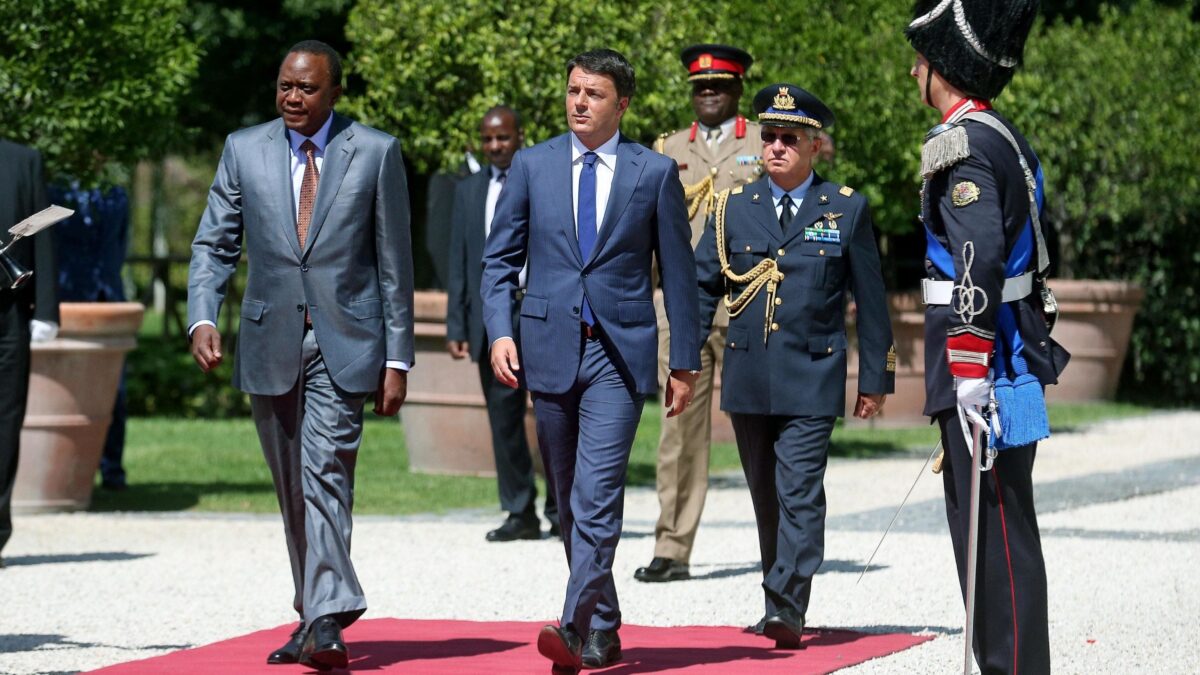
A contract in Kenya was obtained by Cmc in 2014. Othertwo were signed in 2015, on occasion of a visit to Nairobi of our former Prime Minister Matteo Renzi, who was photographed together with President Uhuru Kenyatta wearing a bullet proof vest. The total value of these contracts is more than €800 million. Cmc haestablished a joint venture with another company called Itinera (Gavio group). Their workis part of a wider project to redesign the water distribution in Kenya, which was one of the electoral promises of Mr Kenyatta himself. According to the Kenyan media, the construction has started for the Itare dam only, while the other two – Arror and Kimwarer – are stalled.The investigation started because of an alleged bribe, the amount of which was not clarified by the investigators. It would be part of the sum of Kes 4.9 billion (about €44 million) deposited in a bank of Westland, the Nairobi neighbourhood where the expats live and the international companies have their offices. After the first checks, the official investigation was launched at mid-February. It involves also four Kenyan ministers: Simon Chelugui (Secretary for Water), Henry Rotich (Secretary for national treasury), Najib Balala (Secretary for Tourism) and Mwangi Kiunjuri (Secretary for Agriculture).In addition to Cmc, Dci has summoned other 106 companies. This could be the major misappropriation of public funds ever experienced by Kenya.
For its part, Cmc has deniedt he Kenyan media reports, which wrote that the company went bankrupt and it is ready to leave the country. In a press release, CMC declared that it has already received the first instalment for the Itare dam, amounting to Kes 7.8 billion (€69 million). It added that «due to its difficult financial situation in Italy, it was forced to interrupt the work awaiting the rest of the payment, not yet received up to now». In another press release, Cmc said also that «it continues to be fully committed to completing the Itare Dam Project ahead of or within the contracted time frame and its contractual entitlements». As regards the alleged international corruption, the company of Ravenna stated that «it adheres to the highest international standards and Sace (Export Credit Agency, Italian Government-owned entity) is providing insurance cover and financial support». Our journal has learned that the financing was provided by the Italian bank Intesa San Paolo. Meanwhile, a few weeks ago Mr Noordin Haji visited Italy. After serving as Advocate General, Mr Haji joined the National intelligence service.
Over time, he rose through the ranks to become Deputy Director in charge of Economic Crimes at Nis. In March 2018, he was appointed Director of public prosecutions. This role is independent from any other State authority. The Dpp has just to report once a year to the Parliament on its activities of national importance. Today the Dpp key priority is indeed the fight against corruption. In this respect, Mr Haji wants to establish bilateral agreements with other Nations,including Italy, as several Italian companies are active in the areas of Nairobi and Malindi.The trip to Italy of Mr Haji has attracted a considerable interest in Kenya, as during his visitthe DPP would have found some clues about the role of the Treasury Secretary in the Cmc affair. Mr Rotich would be associated with Rita Ricciardi, Chairman of the Italy-Kenya Trade Association.The overall situation looks very complex. The Kenyans authorities themselves releasedcontradictory statements on the amount of money involved in the Cmc scandal. The deputy president William Ruto said that the investigation is related to KES 7.1 billion, 4.9 of whichwere paid for the Kimwarer dam and 3.2 for the Arror dam, even if their construction is stopped. The Secretary for Water, Mr Chelugui, declared that the amount is three times higher than that, and distanced himself from the project, saying that he was decided by the Ministry of Regional Cooperation. In reality the 2015 negotiation with Cmc was managedby the Ministry of Treasury… In short, there is a great deal of confusion under the sky. Thereason is eminently political, as the opposition wants to use this case to discredit PresidentKenyatta, who looks increasingly isolated and criticised.
From the Secret Service headquarters to the brother of Maria Elena Boschi: the history of a difficult year
Cmc of Ravenna is one of the most ancient Italian cooperatives, which has always been veryclose to the left-wing parties. Founded in 1901 by 35 builders of Ravenna, it has been aconstruction leader in Italy for more than one century. Its closure would compromise thefuture of our entire country, as the most strategic infrastructures are in its hands. Even thenew headquarters of the Italian Secret Service, to be built in a square of Rome, is managedby this cooperative. The building was being delivered two years ago, while now its completion is expected at the end of 2019. Cmc has today 7,000 employees throughout theworld. 400 of them are based at the Ravenna headquarters.In 2018, more than 70% of the Cmc sales were generated by foreign markets. The companyis active in 40 countries across 4 continents, and boast and order book of more than €4.5billion.
Nevertheless, the financial situation in Italy is highly deteriorated, with a hugedecrease in value of production and liquid assets. Liquidity represents the major problem of Cmc. How to solve this problem if Anas, the management body of the Italian motorways,is not paying its invoices?Cmc has several pending litigations with Anas. The most important one is related to a Sicilian motorway and amounts to €600 million. Several meetings took place in the recentpast, and it seems that an arrangement can be found. However, the situation remains verycritical. At the end of last year, Cmc was expecting €137 million revenues, but in reality it achieved €52 million only.
Thus, it was unable to meet its obligations, including thepayment of the interests in favour of the owners of the bond loan issued on November 16, 2017, the total amount of which was €575 million. As a consequence, the company received several cease and desist letters from its creditors, and entered insolvency proceedings. According with «Il Sole 24 ore » newspaper, the final arrangement should imply the dismissal of several assets. Now the company has to present a plan within 60 days. When Matteo Renzi was at the helm of the Government, the interest of several Ministers of his cabinet for Cmc has provoked much controversy, especially when the brother of Minister Boschi was hired by the Ravenna cooperative. Even the former treasurer of theDemocratic Party, Francesco Bonifazi, made a lot of efforts to save Cmc. Clearly they were not effective enough.
Continua a leggereRiduci
The scandal breaks out in Nairobi. The investigations affect also four ministers of theGovernment of Uhuru Kenyatta. In the middle of this scandal there are three dams, for atotal value of €800 million. Two of them are built in joint venture with Itinera (Gaviogroup). The Directorate of Criminal Investigations (Dci) is examining a bank account in Westland, looking for bribes. The construction company replies to our journal: «Ourcontracting and financial procedures adhere to the highest international standards. Particularly, our loans are secured by SACE».All the troubles of the cooperative that hired the brother of Maria Elena Boschi. The 1.2billion litigation with Anas, the request of an arrangement with creditors in December 2018, the Secret Service headquarters still to be completed.In the special are two articlesThere's a new investigation coming from Africa. This time it relates to an Italian construction giant, Cmc of Ravenna, rocked by major scandals in Kenya. International corruption is the alleged offence. The Directorate of Criminal Investigations (DCI) is incharge of the inquiry, together with other investigating bodies both inside and outside the African country. Cmc is under indictment. This historical «red cooperative» is also threatened with bankruptcy if Anas [the management entity of the Italian motorways] does not unlock a number of construction sites. Cmc is in the middle of a litigation with Anas involving the gigantic amount of €1.2 billion. Also for this reason, the company requested to be admitted to the so-called «arrangement with creditors» procedure. In addition major problems are coming from Kenya where CMC is suspected of having paid bribes to win the bids related to three dams. We should not forget that Italy is a key commercial partner of Kenya. In 2018, our export to this country amounted to €180 million.But let's start from the beginning. A contract in Kenya was obtained by Cmc in 2014. Othertwo were signed in 2015, on occasion of a visit to Nairobi of our former Prime Minister Matteo Renzi, who was photographed together with President Uhuru Kenyatta wearing a bullet proof vest. The total value of these contracts is more than €800 million. Cmc haestablished a joint venture with another company called Itinera (Gavio group). Their workis part of a wider project to redesign the water distribution in Kenya, which was one of the electoral promises of Mr Kenyatta himself. According to the Kenyan media, the construction has started for the Itare dam only, while the other two – Arror and Kimwarer – are stalled.The investigation started because of an alleged bribe, the amount of which was not clarified by the investigators. It would be part of the sum of Kes 4.9 billion (about €44 million) deposited in a bank of Westland, the Nairobi neighbourhood where the expats live and the international companies have their offices. After the first checks, the official investigation was launched at mid-February. It involves also four Kenyan ministers: Simon Chelugui (Secretary for Water), Henry Rotich (Secretary for national treasury), Najib Balala (Secretary for Tourism) and Mwangi Kiunjuri (Secretary for Agriculture).In addition to Cmc, Dci has summoned other 106 companies. This could be the major misappropriation of public funds ever experienced by Kenya. For its part, Cmc has deniedt he Kenyan media reports, which wrote that the company went bankrupt and it is ready to leave the country. In a press release, CMC declared that it has already received the first instalment for the Itare dam, amounting to Kes 7.8 billion (€69 million). It added that «due to its difficult financial situation in Italy, it was forced to interrupt the work awaiting the rest of the payment, not yet received up to now». In another press release, Cmc said also that «it continues to be fully committed to completing the Itare Dam Project ahead of or within the contracted time frame and its contractual entitlements». As regards the alleged international corruption, the company of Ravenna stated that «it adheres to the highest international standards and Sace (Export Credit Agency, Italian Government-owned entity) is providing insurance cover and financial support». Our journal has learned that the financing was provided by the Italian bank Intesa San Paolo. Meanwhile, a few weeks ago Mr Noordin Haji visited Italy. After serving as Advocate General, Mr Haji joined the National intelligence service. Over time, he rose through the ranks to become Deputy Director in charge of Economic Crimes at Nis. In March 2018, he was appointed Director of public prosecutions. This role is independent from any other State authority. The Dpp has just to report once a year to the Parliament on its activities of national importance. Today the Dpp key priority is indeed the fight against corruption. In this respect, Mr Haji wants to establish bilateral agreements with other Nations,including Italy, as several Italian companies are active in the areas of Nairobi and Malindi.The trip to Italy of Mr Haji has attracted a considerable interest in Kenya, as during his visitthe DPP would have found some clues about the role of the Treasury Secretary in the Cmc affair. Mr Rotich would be associated with Rita Ricciardi, Chairman of the Italy-Kenya Trade Association.The overall situation looks very complex. The Kenyans authorities themselves releasedcontradictory statements on the amount of money involved in the Cmc scandal. The deputy president William Ruto said that the investigation is related to KES 7.1 billion, 4.9 of whichwere paid for the Kimwarer dam and 3.2 for the Arror dam, even if their construction is stopped. The Secretary for Water, Mr Chelugui, declared that the amount is three times higher than that, and distanced himself from the project, saying that he was decided by the Ministry of Regional Cooperation. In reality the 2015 negotiation with Cmc was managedby the Ministry of Treasury… In short, there is a great deal of confusion under the sky. Thereason is eminently political, as the opposition wants to use this case to discredit PresidentKenyatta, who looks increasingly isolated and criticised.<div class="rebellt-item col1" id="rebelltitem1" data-id="1" data-reload-ads="false" data-is-image="False" data-href="https://www.laverita.info/the-red-cooperative-cmc-under-investigation-for-bribery-in-kenya-investigators-are-scrutinizing-the-contract-signed-in-the-days-of-matteo-renzi-2630962458.html?rebelltitem=1#rebelltitem1" data-basename="from-the-secret-service-headquarters-to-the-brother-of-maria-elena-boschi-the-history-of-a-difficult-year" data-post-id="2630962458" data-published-at="1765392266" data-use-pagination="False"> From the Secret Service headquarters to the brother of Maria Elena Boschi: the history of a difficult year Cmc of Ravenna is one of the most ancient Italian cooperatives, which has always been veryclose to the left-wing parties. Founded in 1901 by 35 builders of Ravenna, it has been aconstruction leader in Italy for more than one century. Its closure would compromise thefuture of our entire country, as the most strategic infrastructures are in its hands. Even thenew headquarters of the Italian Secret Service, to be built in a square of Rome, is managedby this cooperative. The building was being delivered two years ago, while now its completion is expected at the end of 2019. Cmc has today 7,000 employees throughout theworld. 400 of them are based at the Ravenna headquarters.In 2018, more than 70% of the Cmc sales were generated by foreign markets. The companyis active in 40 countries across 4 continents, and boast and order book of more than €4.5billion. Nevertheless, the financial situation in Italy is highly deteriorated, with a hugedecrease in value of production and liquid assets. Liquidity represents the major problem of Cmc. How to solve this problem if Anas, the management body of the Italian motorways,is not paying its invoices?Cmc has several pending litigations with Anas. The most important one is related to a Sicilian motorway and amounts to €600 million. Several meetings took place in the recentpast, and it seems that an arrangement can be found. However, the situation remains verycritical. At the end of last year, Cmc was expecting €137 million revenues, but in reality it achieved €52 million only. Thus, it was unable to meet its obligations, including thepayment of the interests in favour of the owners of the bond loan issued on November 16, 2017, the total amount of which was €575 million. As a consequence, the company received several cease and desist letters from its creditors, and entered insolvency proceedings. According with «Il Sole 24 ore » newspaper, the final arrangement should imply the dismissal of several assets. Now the company has to present a plan within 60 days. When Matteo Renzi was at the helm of the Government, the interest of several Ministers of his cabinet for Cmc has provoked much controversy, especially when the brother of Minister Boschi was hired by the Ravenna cooperative. Even the former treasurer of theDemocratic Party, Francesco Bonifazi, made a lot of efforts to save Cmc. Clearly they were not effective enough.
Il premier: «Il governo ci ha creduto fin dall’inizio, impulso decisivo per nuovi traguardi».
«Il governo ha creduto fin dall’inizio in questa sfida e ha fatto la sua parte per raggiungere questo traguardo. Ringrazio i ministri Lollobrigida e Giuli che hanno seguito il dossier, ma è stata una partita che non abbiamo giocato da soli: abbiamo vinto questa sfida insieme al popolo italiano. Questo riconoscimento imprimerà al sistema Italia un impulso decisivo per raggiungere nuovi traguardi».
Lo ha detto la premier Giorgia Meloni in un videomessaggio celebrando l’entrata della cucina italiana nei patrimoni culturali immateriali dell’umanità. È la prima cucina al mondo a essere riconosciuta nella sua interezza. A deliberarlo, all’unanimità, è stato il Comitato intergovernativo dell’Unesco, riunito a New Delhi, in India.
Ansa
I vaccini a Rna messaggero contro il Covid favoriscono e velocizzano, se a dosi ripetute, la crescita di piccoli tumori già presenti nell’organismo e velocizzano la crescita di metastasi. È quanto emerge dalla letteratura scientifica e, in particolare, dagli esperimenti fatti in vitro sulle cellule e quelli sui topi, così come viene esposto nello studio pubblicato lo scorso 2 dicembre sulla rivista Mdpi da Ciro Isidoro, biologo, medico, patologo e oncologo sperimentale, nonché professore ordinario di patologia generale all’Università del Piemonte orientale di Novara. Lo studio è una review, ovvero una sintesi critica dei lavori scientifici pubblicati finora sull’argomento, e le conclusioni a cui arriva sono assai preoccupanti. Dai dati scientifici emerge che sia il vaccino a mRna contro il Covid sia lo stesso virus possono favorire la crescita di tumori e metastasi già esistenti. Inoltre, alla luce dei dati clinici a disposizione, emerge sempre più chiaramente che a questo rischio di tumori e metastasi «accelerati» appaiono più esposti i vaccinati con più dosi. Fa notare Isidoro: «Proprio a causa delle ripetute vaccinazioni i vaccinati sono più soggetti a contagiarsi e dunque - sebbene sia vero che il vaccino li protegge, ma temporaneamente, dal Covid grave - queste persone si ritrovano nella condizione di poter subire contemporaneamente i rischi oncologici provocati da vaccino e virus naturale messi insieme».
Sono diversi i meccanismi cellulari attraverso cui il vaccino può velocizzare l’andamento del cancro analizzati negli studi citati nella review di Isidoro, intitolata «Sars-Cov2 e vaccini anti-Covid-19 a mRna: Esiste un plausibile legame meccanicistico con il cancro?». Tra questi studi, alcuni rilevano che, in conseguenza della vaccinazione anti-Covid a mRna - e anche in conseguenza del Covid -, «si riduce Ace 2», enzima convertitore di una molecola chiamata angiotensina II, favorendo il permanere di questa molecola che favorisce a sua volta la proliferazione dei tumori. Altri dati analizzati nella review dimostrano inoltre che sia il virus che i vaccini di nuova generazione portano ad attivazione di geni e dunque all’attivazione di cellule tumorali. Altri dati ancora mostrano come sia il virus che il vaccino inibiscano l’espressione di proteine che proteggono dalle mutazioni del Dna.
Insomma, il vaccino anti-Covid, così come il virus, interferisce nei meccanismi cellulari di protezione dal cancro esponendo a maggiori rischi chi ha già una predisposizione genetica alla formazione di cellule tumorali e i malati oncologici con tumori dormienti, spiega Isidoro, facendo notare come i vaccinati con tre o più dosi si sono rivelati più esposti al contagio «perché il sistema immunitario in qualche modo viene ingannato e si adatta alla spike e dunque rende queste persone più suscettibili ad infettarsi».
Nella review anche alcune conferme agli esperimenti in vitro che arrivano dal mondo reale, come uno studio retrospettivo basato su un’ampia coorte di individui non vaccinati (595.007) e vaccinati (2.380.028) a Seul, che ha rilevato un’associazione tra vaccinazione e aumento del rischio di cancro alla tiroide, allo stomaco, al colon-retto, al polmone, al seno e alla prostata. «Questi dati se considerati nel loro insieme», spiega Isidoro, «convergono alla stessa conclusione: dovrebbero suscitare sospetti e stimolare una discussione nella comunità scientifica».
D’altra parte, anche Katalin Karikó, la biochimica vincitrice nel 2023 del Nobel per la Medicina proprio in virtù dei suoi studi sull’Rna applicati ai vaccini anti Covid, aveva parlato di questi possibili effetti collaterali di «acceleratore di tumori già esistenti». In particolare, in un’intervista rilasciata a Die Welt lo scorso gennaio, la ricercatrice ungherese aveva riferito della conversazione con una donna sulla quale, due giorni dopo l’inoculazione, era comparso «un grosso nodulo al seno». La signora aveva attribuito l’insorgenza del cancro al vaccino, mentre la scienziata lo escludeva ma tuttavia forniva una spiegazione del fenomeno: «Il cancro c’era già», spiegava Karikó, «e la vaccinazione ha dato una spinta in più al sistema immunitario, così che le cellule di difesa immunitaria si sono precipitate in gran numero sul nemico», sostenendo, infine, che il vaccino avrebbe consentito alla malcapitata di «scoprire più velocemente il cancro», affermazione che ha lasciato e ancor di più oggi lascia - alla luce di questo studio di Isidoro - irrisolti tanti interrogativi, soprattutto di fronte all’incremento in numero dei cosiddetti turbo-cancri e alla riattivazione di metastasi in malati oncologici, tutti eventi che si sono manifestati post vaccinazione anti- Covid e non hanno trovato altro tipo di plausibilità biologica diversa da una possibile correlazione con i preparati a mRna.
«Marginale il gabinetto di Speranza»
Mentre eravamo chiusi in casa durante il lockdown, il più lungo di tutti i Paesi occidentali, ognuno di noi era certo in cuor suo che i decisori che apparecchiavano ogni giorno alle 18 il tragico rito della lettura dei contagi e dei decessi sapessero ciò che stavano facendo. In realtà, al netto di un accettabile margine di impreparazione vista l’emergenza del tutto nuova, nelle tante stanze dei bottoni che il governo Pd-M5S di allora, guidato da Giuseppe Conte, aveva istituito, andavano tutti in ordine sparso. E l’audizione in commissione Covid del proctologo del San Raffaele Pierpaolo Sileri, allora viceministro alla Salute in quota 5 stelle, ha reso ancor più tangibile il livello d’improvvisazione e sciatteria di chi allora prese le decisioni e oggi è impegnato in tripli salti carpiati pur di rinnegarne la paternità. È il caso, ad esempio, del senatore Francesco Boccia del Pd, che ieri è intervenuto con zelante sollecitudine rivolgendo a Sileri alcune domande che son suonate più come ingannevoli asseverazioni. Una per tutte: «Io penso che il gabinetto del ministero della salute (guidato da Roberto Speranza, ndr) fosse assolutamente marginale, decidevano Protezione civile e coordinamento dei ministri». Il senso dell’intervento di Boccia non è difficile da cogliere: minimizzare le responsabilità del primo imputato della malagestione pandemica, Speranza, collega di partito di Boccia, e rovesciare gli oneri ora sul Cts, ora sulla Protezione civile, eventualmente sul governo ma in senso collegiale. «Puoi chiarire questi aspetti così li mettiamo a verbale?», ha chiesto Boccia a Sileri. L’ex sottosegretario alla salute, però, non ha dato la risposta desiderata: «Il mio ruolo era marginale», ha dichiarato Sileri, impegnato a sua volta a liberarsi del peso degli errori e delle omissioni in nome di un malcelato «io non c’ero, e se c’ero dormivo», «il Cts faceva la valutazione scientifica e la dava alla politica. Era il governo che poi decideva». Quello stesso governo dove Speranza, per forza di cose, allora era il componente più rilevante. Sileri ha dichiarato di essere stato isolato dai funzionari del ministero: «Alle riunioni non credo aver preso parte se non una volta» e «i Dpcm li ricevevo direttamente in aula, non ne avevo nemmeno una copia». Che questo racconto sia funzionale all’obiettivo di scaricare le responsabilità su altri, è un dato di fatto, ma l’immagine che ne esce è quella di decisori «inadeguati e tragicomici», come ebbe già ad ammettere l’altro sottosegretario Sandra Zampa (Pd).Anche sull’adozione dell’antiscientifica «terapia» a base di paracetamolo (Tachipirina) e vigile attesa, Sileri ha dichiarato di essere totalmente estraneo alla decisione: «Non so chi ha redatto la circolare del 30 novembre 2020 che dava agli antinfiammatori un ruolo marginale, ne ho scoperto l’esistenza soltanto dopo che era già uscita». Certo, ha ammesso, a novembre poteva essere dato maggiore spazio ai Fans perché «da marzo avevamo capito che non erano poi così malvagi». Bontà sua. Per Alice Buonguerrieri (Fdi) «è la conferma che la gestione del Covid affogasse nella confusione più assoluta». Boccia è tornato all’attacco anche sul piano pandemico: «Alcuni virologi hanno ribadito che era scientificamente impossibile averlo su Sars Cov-2, confermi?». «L'impatto era inatteso, ma ovviamente avere un piano pandemico aggiornato avrebbe fatto grosse differenze», ha replicato Sileri, che nel corso dell’audizione ha anche preso le distanze dalle misure suggerite dall’Oms che «aveva un grosso peso politico da parte dalla Cina». «I burocrati nominati da Speranza sono stati lasciati spadroneggiare per coprire le scelte errate dei vertici politici», è il commento di Antonella Zedda, vicepresidente dei senatori di Fratelli d’Italia, alla «chicca» emersa in commissione: un messaggio di fuoco che l’allora capo di gabinetto del ministero Goffredo Zaccardi indirizzò a Sileri («Stai buono o tiro fuori i dossier che ho nel cassetto», avrebbe scritto).In che mani siamo stati.
Continua a leggereRiduci
Ecco #DimmiLaVerità del 10 dicembre 2025. Con il nostro Alessandro Rico analizziamo gli ostacoli che molti leader europei mettono sulla strada della pace in Ucraina.
L’intesa riguarda l’acquisto di un’area di 15.000 metri quadrati dal Consorzio ZAI e prevede un investimento complessivo di circa 20 milioni di euro. Si tratta di un progetto greenfield, cioè realizzato ex novo, che darà vita a un centro di manutenzione pensato fin dall’origine per rispondere alle esigenze della logistica ferroviaria europea e alla crescita del traffico merci su rotaia.
Il nuovo impianto sarà concepito secondo un modello open access, dunque accessibile a locomotive di diversi costruttori. L’hub ospiterà cinque binari dedicati alla manutenzione leggera e un binario riservato al tornio per la riprofilatura delle ruote, consentendo di effettuare test e interventi su locomotive multisistema e in corrente continua, compatibili con i principali sistemi di segnalamento europei. L’obiettivo è garantire elevati livelli di affidabilità e disponibilità operativa dei mezzi attraverso ispezioni programmate e interventi rapidi lungo l’intero ciclo di vita dei veicoli.
La scelta di Verona si lega alla centralità del corridoio Verona–Brennero, infrastruttura destinata a un deciso aumento della capacità ferroviaria con l’apertura della Galleria di Base del Brennero, prevista per il 2032. Il nuovo hub si inserirà inoltre in una rete già consolidata, integrandosi con il Rail Service Center di Siemens Mobility a Novara, operativo dal 2015 sul corridoio TEN-T Reno-Alpi e oggi punto di riferimento per la manutenzione di oltre 120 locomotive di operatori europei.
«Questo investimento rappresenta un ulteriore passo nel nostro impegno a favore di un trasporto merci sempre più sostenibile», ha dichiarato Pierfrancesco De Rossi, Ceo di Siemens Mobility in Italia. Secondo De Rossi, il nuovo hub di Verona è «una scelta strategica che conferma la fiducia di Siemens Mobility nel Paese e nel suo ruolo centrale nello sviluppo del settore», con l’obiettivo di rafforzare la posizione dell’Italia nella rete logistica europea e sostenere il passaggio verso modalità di trasporto meno impattanti.
Il progetto nasce dall’integrazione delle competenze delle due aziende. Siemens Mobility porterà a Verona l’esperienza maturata nella manutenzione delle locomotive dedicate al trasporto merci, mentre RAILPOOL contribuirà con il know-how sviluppato a livello europeo, facendo leva su sei officine di proprietà e su una rete di supporto che può contare su oltre 4.500 parti di ricambio disponibili a magazzino.
«Con il nuovo centro di manutenzione di Verona ampliamo il nostro potenziale manutentivo in una delle aree logistiche più strategiche d’Europa», ha spiegato Alberto Lacchini, General Manager di RAILPOOL Italia. Si tratta, ha aggiunto, di un investimento che riflette «un impegno di lungo periodo nel fornire soluzioni di leasing affidabili e complete», in grado di rispondere a esigenze operative in continua evoluzione.
La collaborazione tra Siemens Mobility e RAILPOOL si inserisce in un percorso avviato nel 2024, quando le due società hanno sottoscritto un accordo quadro per la fornitura a RAILPOOL di circa 250 locomotive, incluse le varianti multisistema Vectron oggi operative in 16 Paesi lungo i principali corridoi ferroviari europei.
Sul valore dell’investimento è intervenuta anche Barbara Cimmino, vice presidente di Confindustria per l’Export e l’Attrazione degli Investimenti e presidente dell’Advisory Board Investitori Esteri. «L’investimento di Siemens Mobility in Veneto è un segnale significativo per la competitività italiana», ha affermato, sottolineando come il progetto confermi la centralità del Paese nella logistica ferroviaria europea e nei processi di transizione sostenibile. Un’iniziativa che, secondo Cimmino, evidenzia il contributo degli investitori internazionali nel rafforzare le filiere strategiche e la capacità dell’Italia di offrire ecosistemi solidi e competenze tecniche avanzate.
Per Siemens Mobility, la manutenzione delle locomotive resta una delle attività centrali anche in Italia, all’interno di una rete globale che comprende oltre 100 sedi in più di 30 Paesi e circa 7.000 specialisti. L’apertura del nuovo hub di Verona consolida questo presidio e rafforza il ruolo del Paese come snodo industriale e logistico in una fase di forte crescita del trasporto merci su ferro.
Continua a leggereRiduci